If you ask Russian-speaking people about Singapore, many will surely recall the famous tango “Magnolia” by Alexander Vertinsky. This song, created in 1931, possibly in Bessarabia, refers to Singapore as “banana-lemon.” Alexander Vertinsky, a renowned Russian artist, actor, and singer, is known for his unique style that blends elements of chanson, romance, and theatrical art. His career began in the early 20th century, and after the October Revolution, he was forced to leave Russia. The tango “Magnolia” is imbued with deep feelings of longing, nostalgia, and love, which become palpable when listening to it.
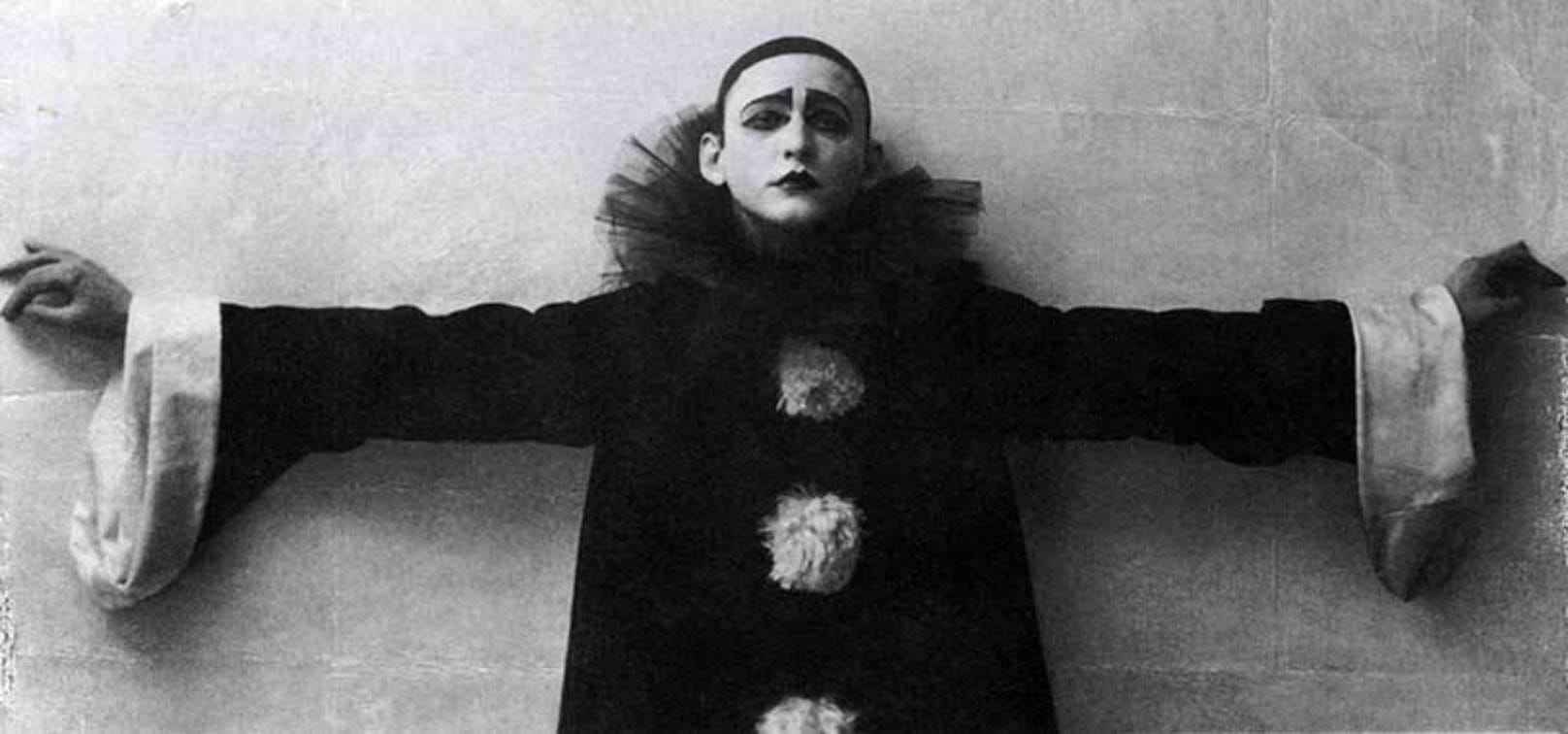
But why was Singapore described as “banana-lemon”? Despite the island’s climate being favorable for growing bananas and lemons, agriculture was never a main activity in Singapore due to limited land resources. It is interesting why Vertinsky, who, incidentally, had never been to Singapore, chose such a description. There are several theories about this:
The Exotic Theory. Vertinsky might have aimed to portray Singapore as a distant and exotic island. By choosing a “fruity” metaphor, he might have wanted to create a vivid and memorable image. Singapore, being a major port city, indeed could have served as a transit point for various fruits, including bananas and lemons, from other Southeast Asian countries. This version is supported by the fact that there were few magnolias in Singapore at the time, after which the tango was named.
The Conspiracy Theory. Some suggest that Vertinsky used profound metaphors reflecting his view of the world. By the 1930s, bananas and lemons were no longer considered exotic. Vertinsky, being an educated and well-read man, could have drawn inspiration from sailors’ stories in Bessarabia. Considering that Singapore had been under British influence for a long time, many locals were exposed to Western culture, leading to the emergence of so-called “bananas” — Asians who externally maintain their identity but are culturally assimilated with the West. As for “lemons,” this term could be related to “limeys,” a nickname given to British sailors by Americans, who carried lemons to prevent scurvy. Vertinsky might have sung about the people living on the streets and promenades of Singapore, for example, in the Clarke Quay area.
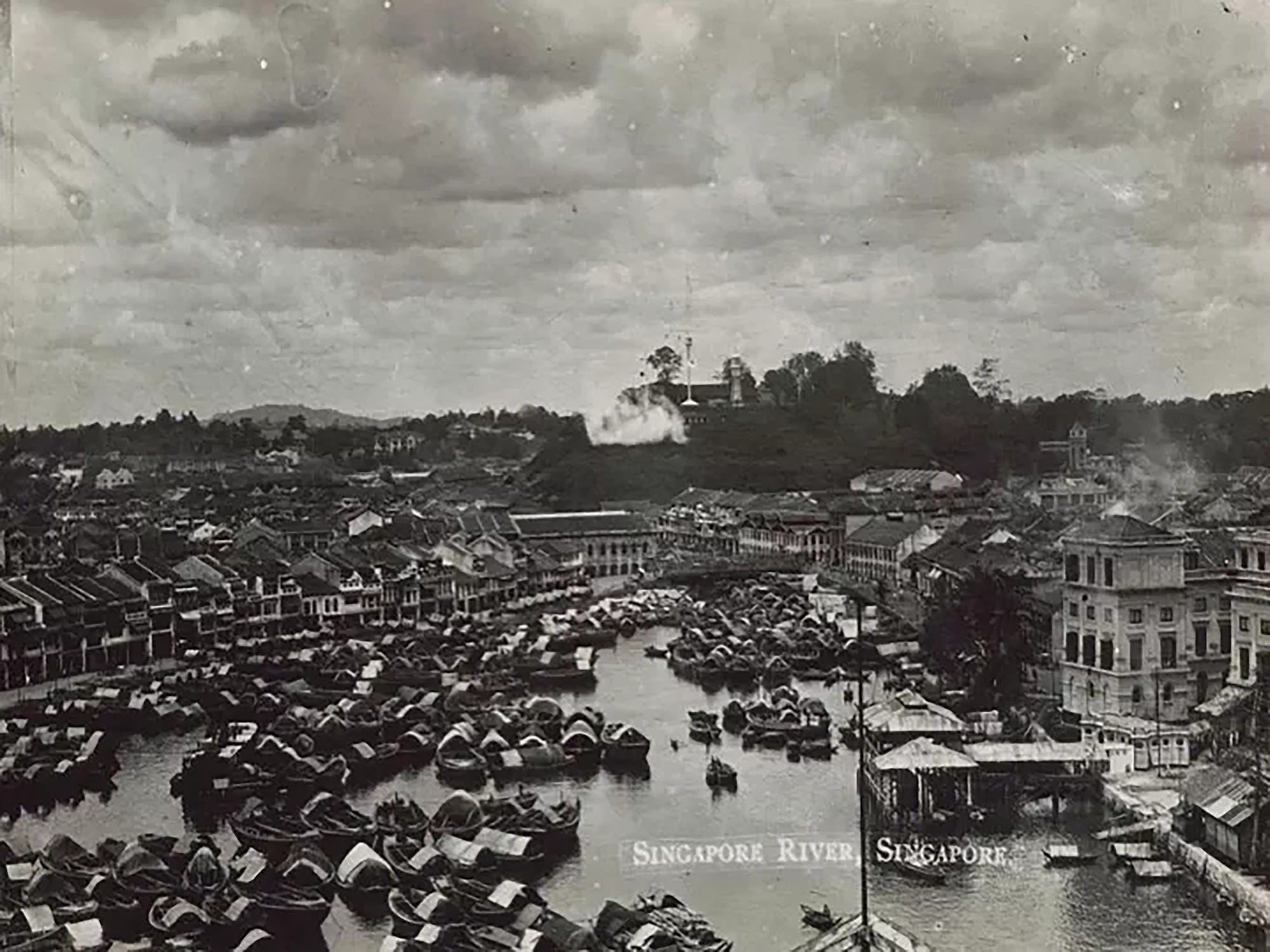
Which of these theories do you find more convincing? Feel free to share your opinion in the comments. Personally, I lean towards the first, the exotic theory, although I admit it might seem somewhat mundane.
Leave a Reply