Why Banana-Lemon Singapore? Vertinsky’s Magnolia
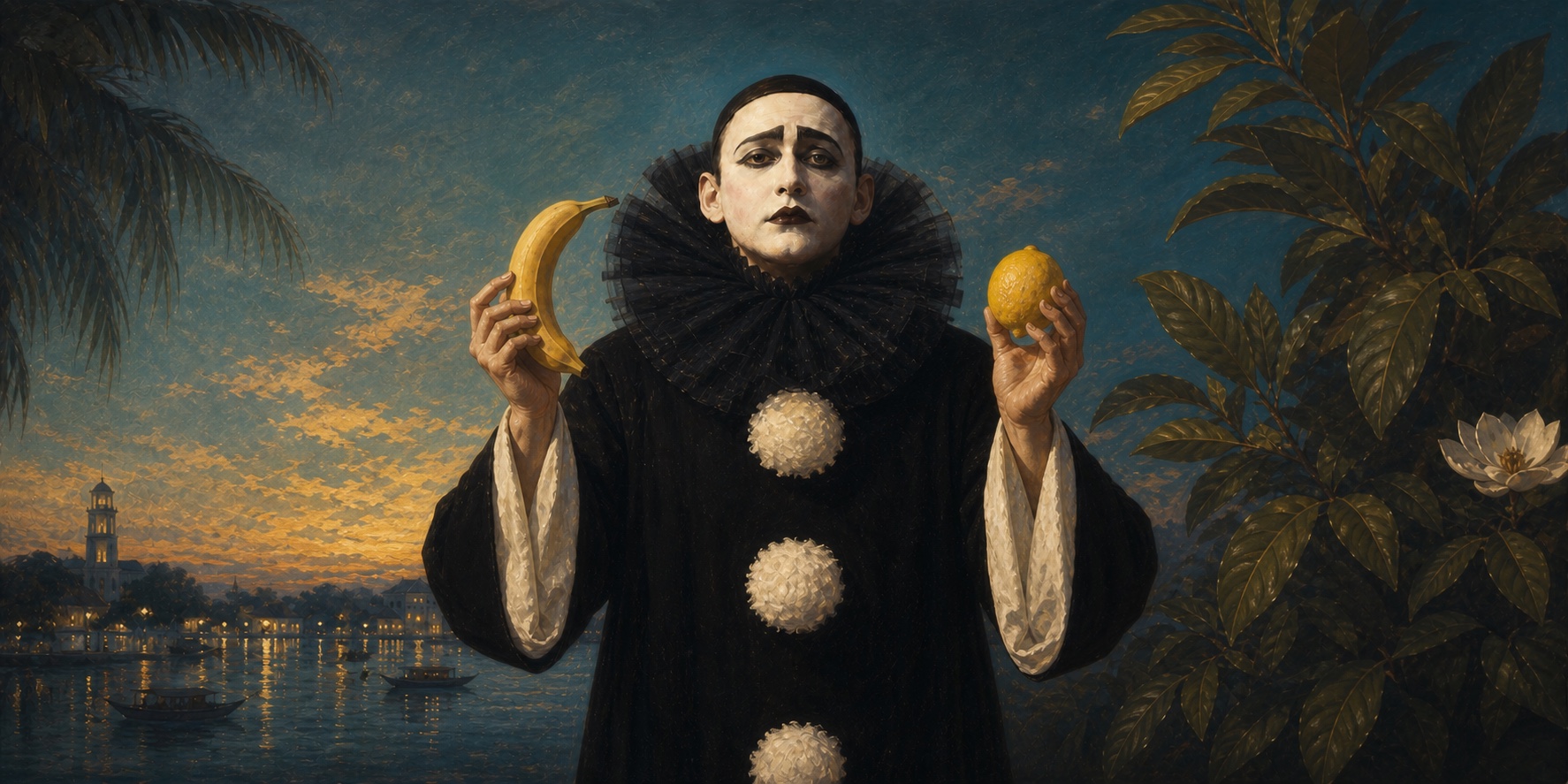
If you ask a Russian-speaking person about Singapore, many will remember not Marina Bay Sands or the Merlion, but Alexander Vertinsky’s 1931 tango “Magnolia”. It is the song that calls the island “banana-lemon Singapore” — and eventually gave this website its name.
Vertinsky had never been here. His Singapore was not a real city so much as a distant tropical stage for a love story.
The woman in the song
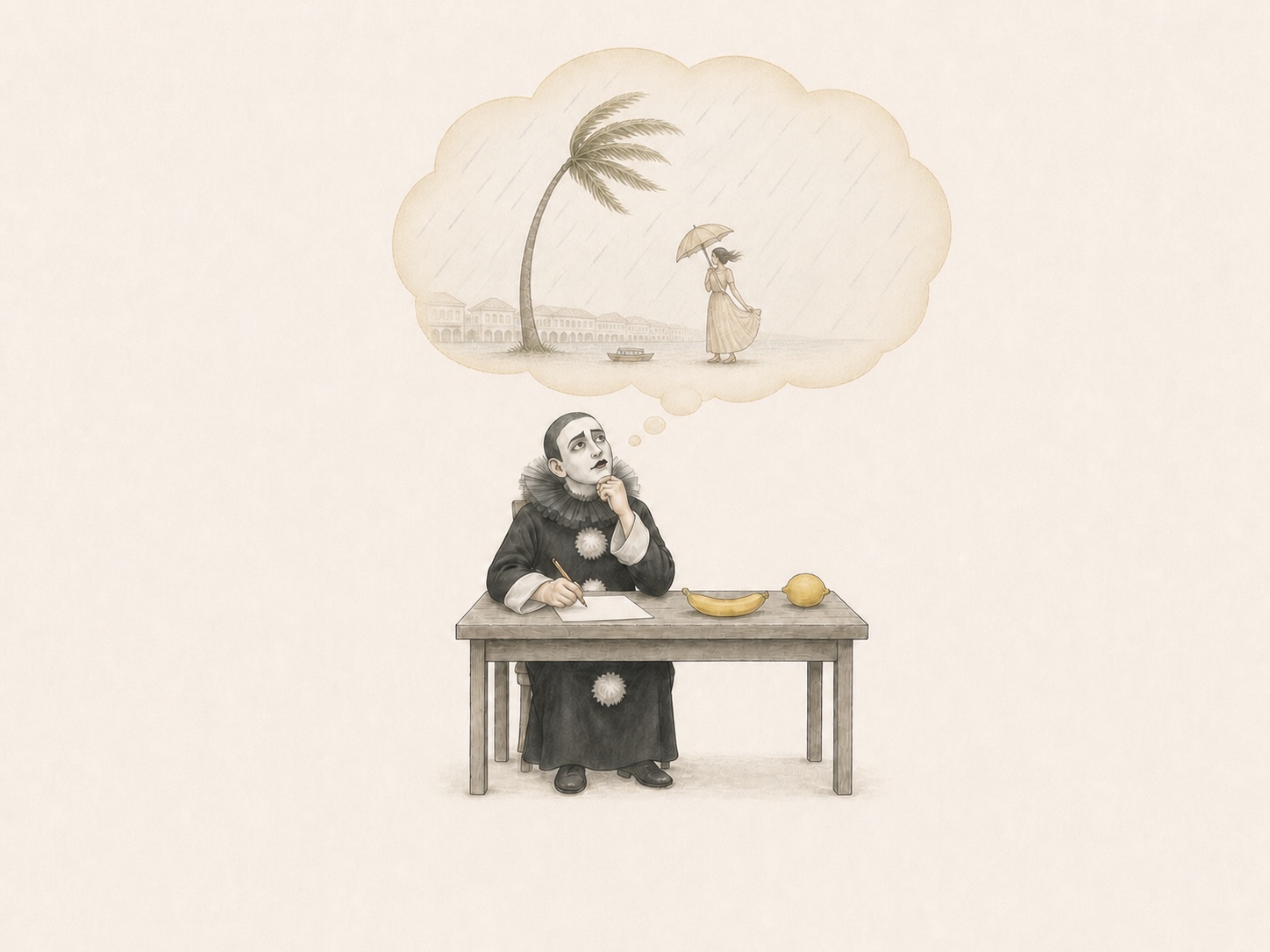
“Magnolia” is sometimes remembered as a woman’s monologue, although Vertinsky’s male narrator is actually speaking to a woman called Yvette. He imagines her alone in Singapore during a storm, remembering his words and his touch. We never learn why she is there or what separated them. The song gives us tropical noise, bad weather and a broken heart — which is probably enough.
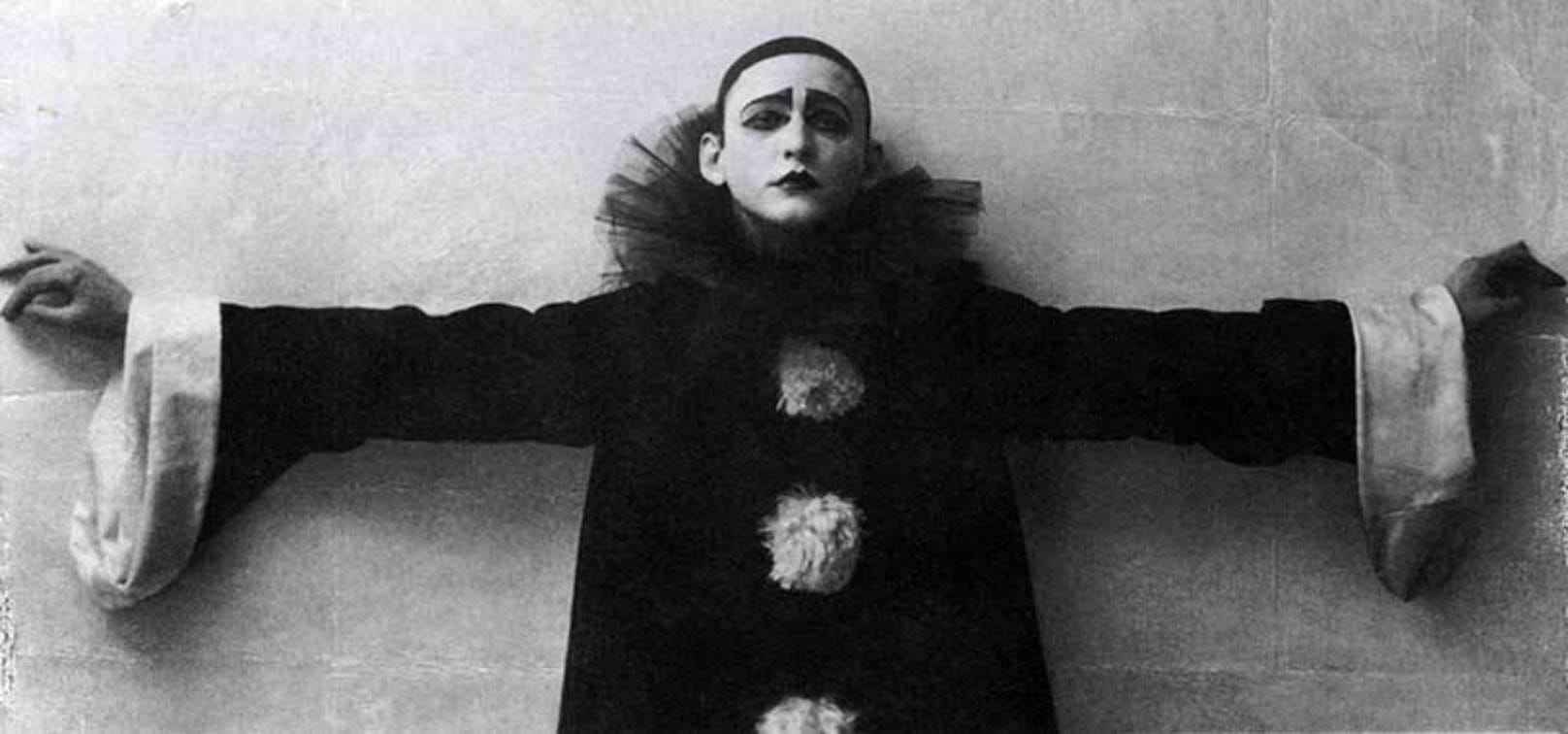
Vertinsky and his Pierrot
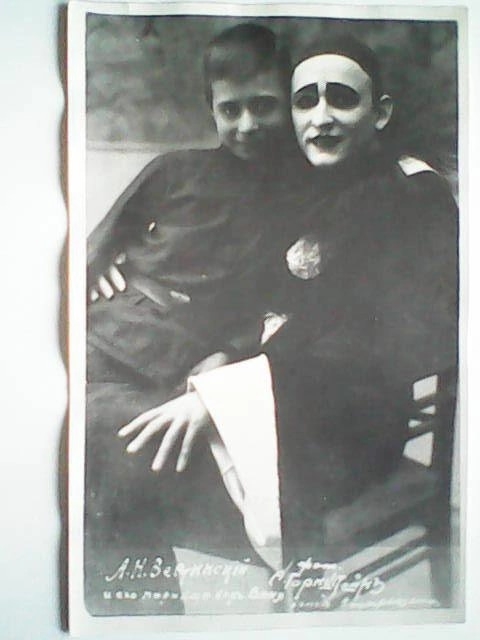
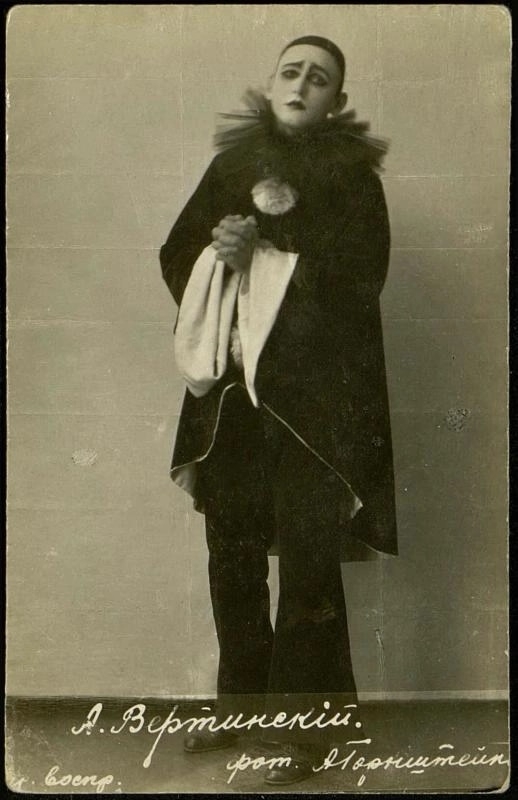
Alexander Vertinsky was a Russian artist, actor and singer with a style somewhere between romance, chanson and theatre. His best-known stage character was the sad Pierrot. After the Revolution, Vertinsky left Russia and spent more than two decades abroad. He wrote “Magnolia” while touring Bessarabia in 1931 — very far from Singapore.
The song on record
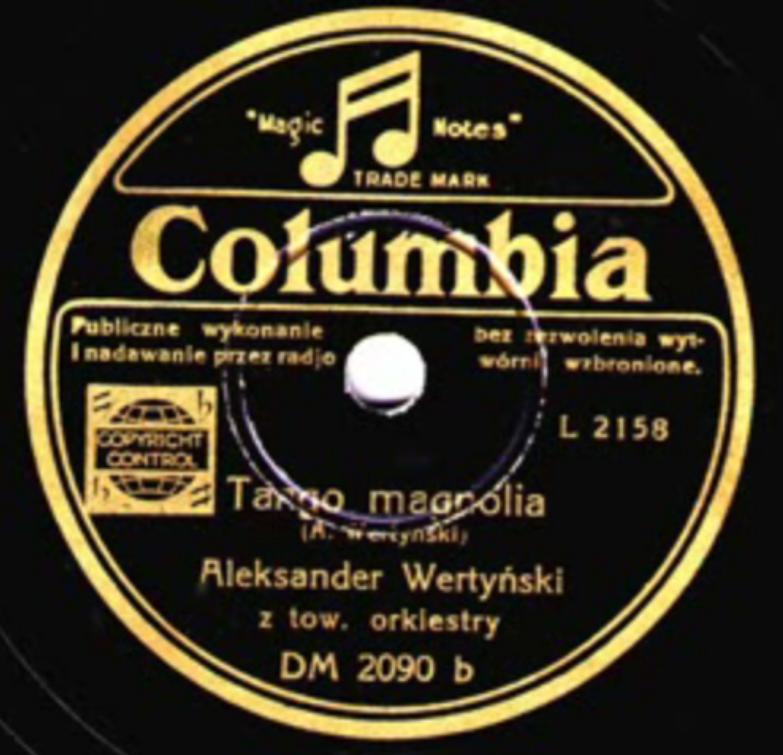
“Magnolia” was first recorded for Columbia in 1932. Another recording followed in Warsaw in 1933, and the Columbia version was later reissued in the United States. The label below is from a 1933 disc for Polish listeners — hence Tango Magnolia and Aleksander Wertyński rather than the Russian spelling. It is a small trace of the song’s remarkable journey: written by a Russian émigré in Bessarabia, pressed in Europe and set in a Singapore that he had never seen.
A royal request
Vertinsky tells a wonderful story about “Magnolia” in his memoirs. At around three one morning, a young blond Englishman arrived at the Paris restaurant Kazbek with two friends. He wore a dinner jacket over a grey sweater, ordered champagne and asked the musicians for a Russian song whose title he had forgotten. He could only hum the melody. Vertinsky immediately recognised his own tango.
He sang “Magnolia”, and the guest asked for encores. The Englishman explained that a Russian lady in London had given him records by an artist whose surname he then pronounced beyond recognition. Vertinsky silently handed him his card: Alexandre Vertinsky. Astonished, the stranger invited him to dinner the following evening. Only when Vertinsky arrived did the horrified maître d’ tell him who was waiting at the table: the Prince of Wales, the future Edward VIII.
What might Yvette have seen?
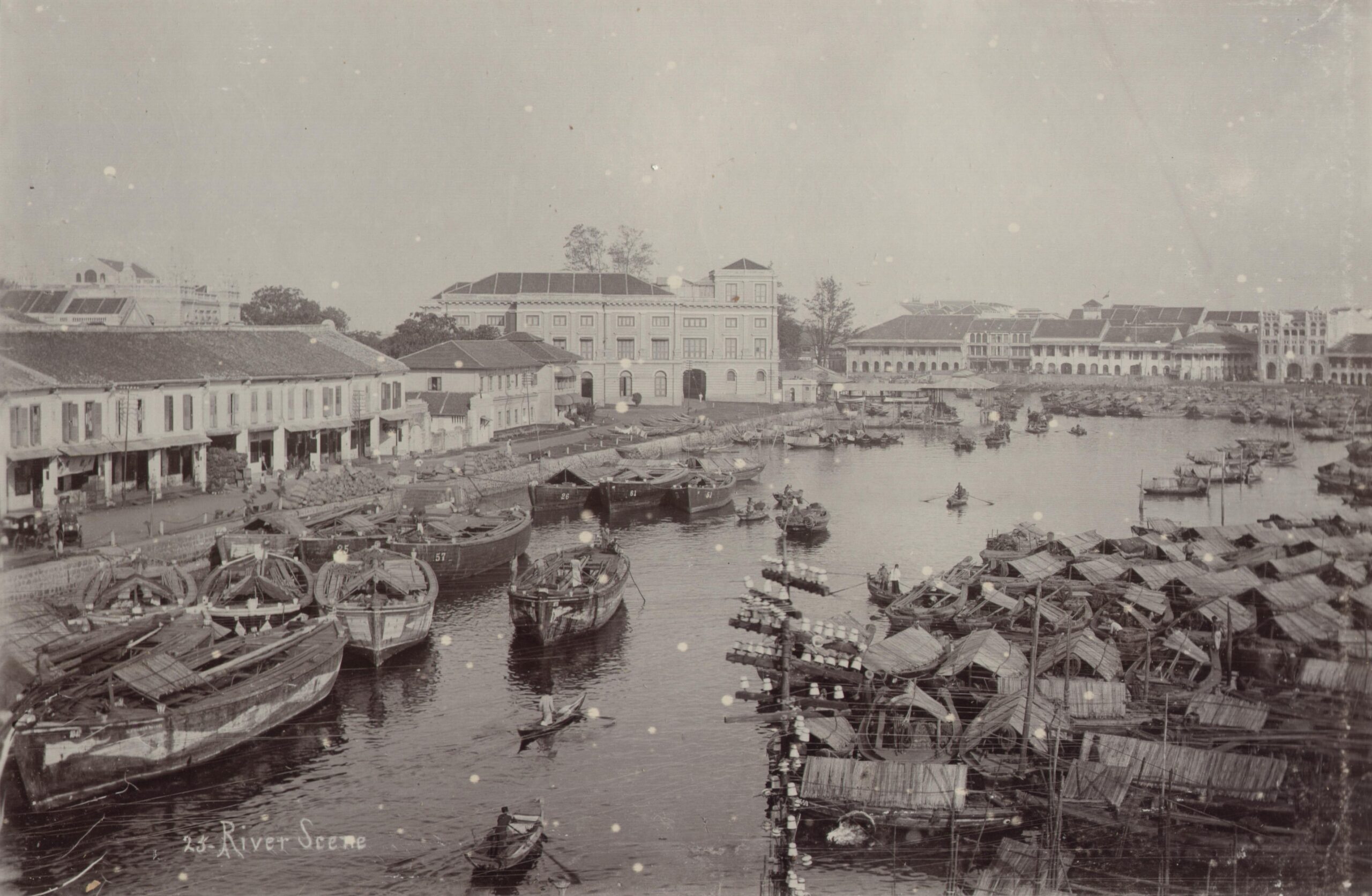
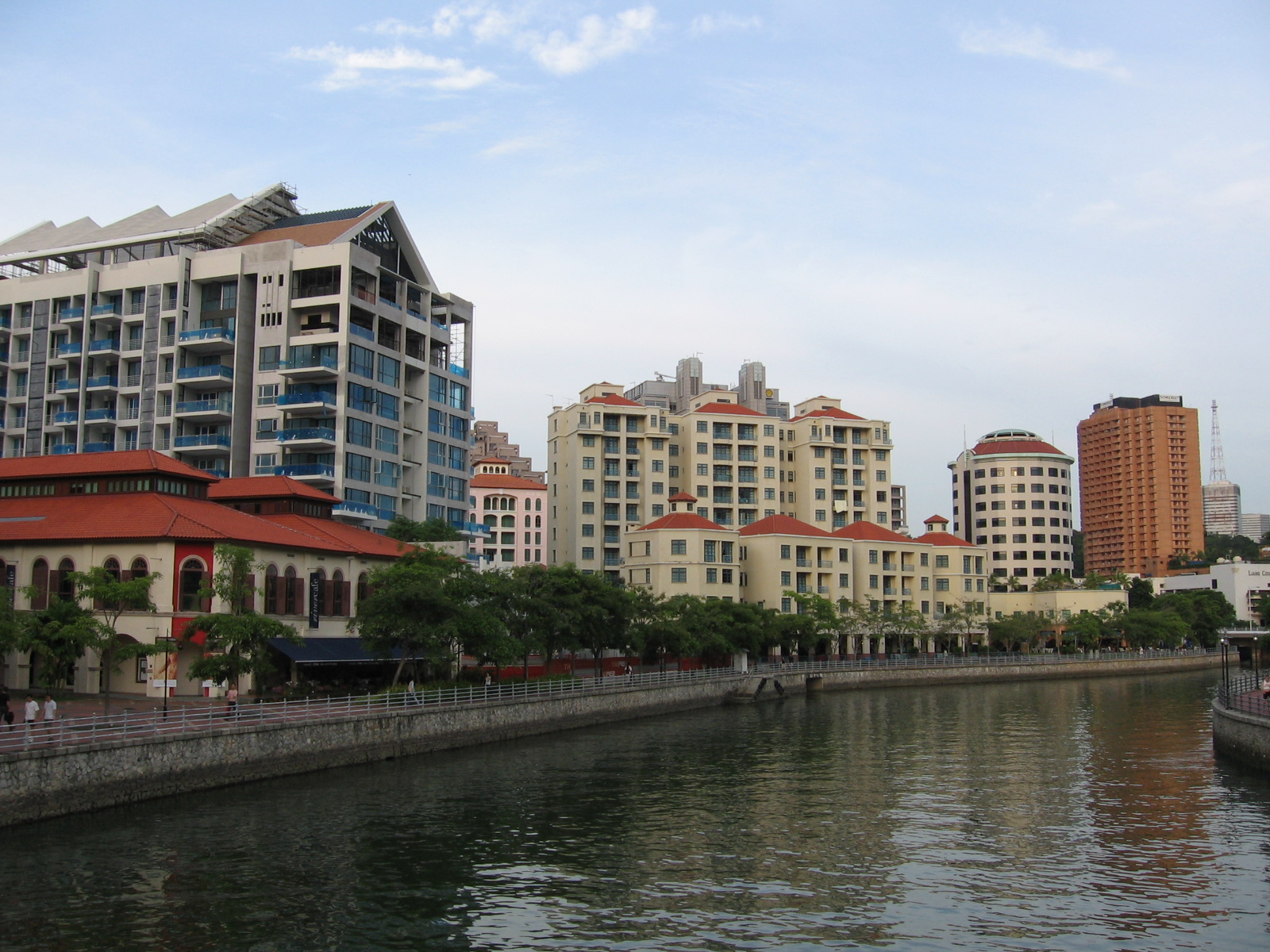
Vertinsky gives Yvette no address, but a real Singapore window in the early 1930s might have looked towards the river. The port was crowded with bumboats, warehouses and cargo. Robertson Quay was not yet a restaurant promenade: it was a working part of the river lined with godowns. Fewer parrots and magnolias; more timber, roofs and boats.
Why “banana-lemon”?
My guess is that Vertinsky wanted Singapore to sound like a distant tropical island. “Banana-lemon” gives the place colour and rhythm before we know anything about it. I have not found evidence that establishes why he chose those particular words.
His imagined Singapore is made of sound, weather and longing. It did not have to be a reliable guide to the city. It just had to be memorable.
And that is how this website became Banana-Lemon Singapore.
Did you know the song behind “Banana-Lemon Singapore”?
Loading responses…