The Scam Callers Who Hung Up on Me
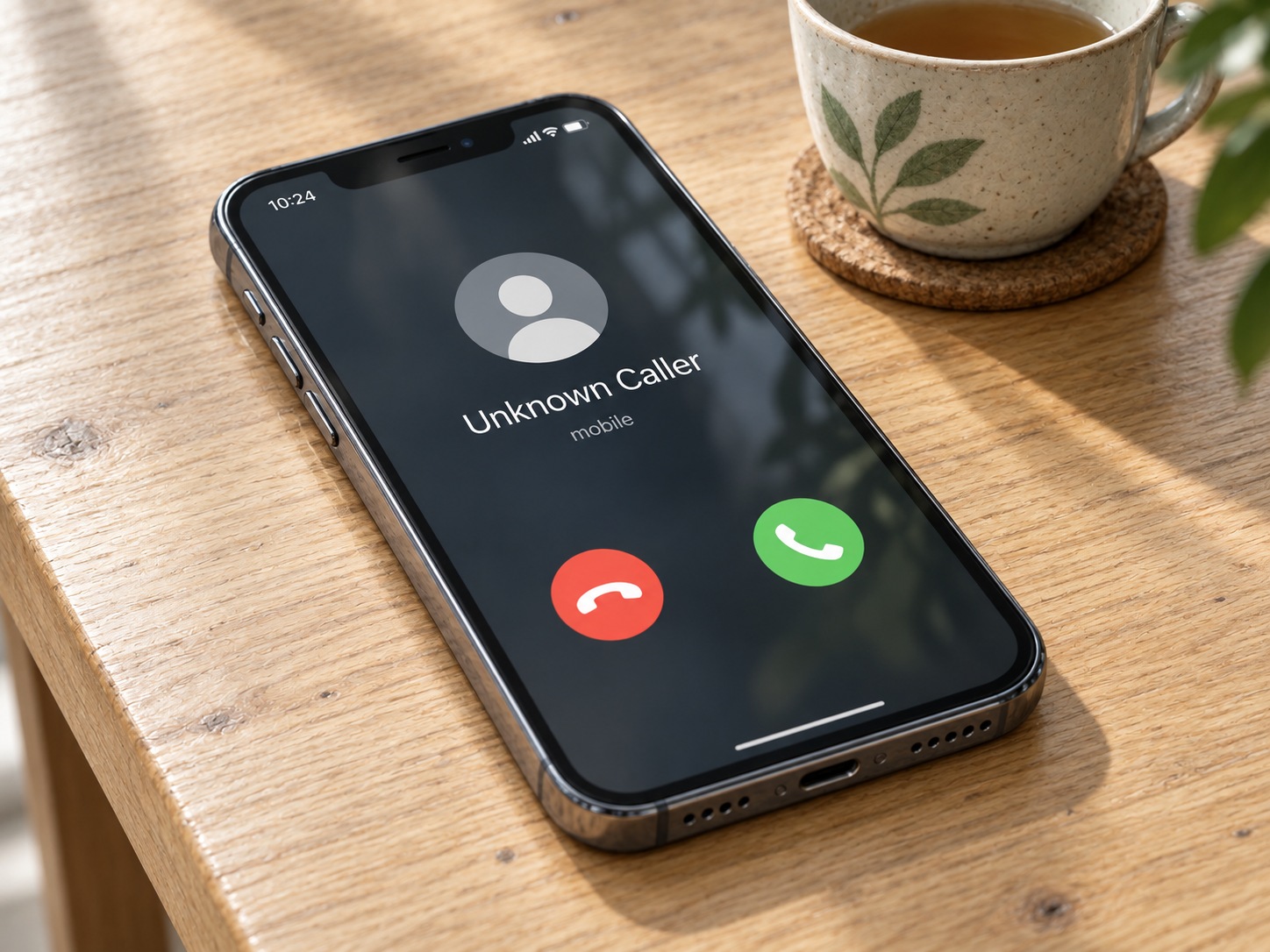
Scam callers were ringing me in Singapore almost every day. I had a plan: waste their time. The callers had a different plan. They hung up.
The number looked local. A recorded woman’s voice would begin, “Hello, this is ICA…” — the Immigration & Checkpoints Authority — and announce some problem with my ID. Other versions involved a bank transfer or a mobile provider. Then came the language menu: press a number for English or Chinese.
I pressed. I was ready.
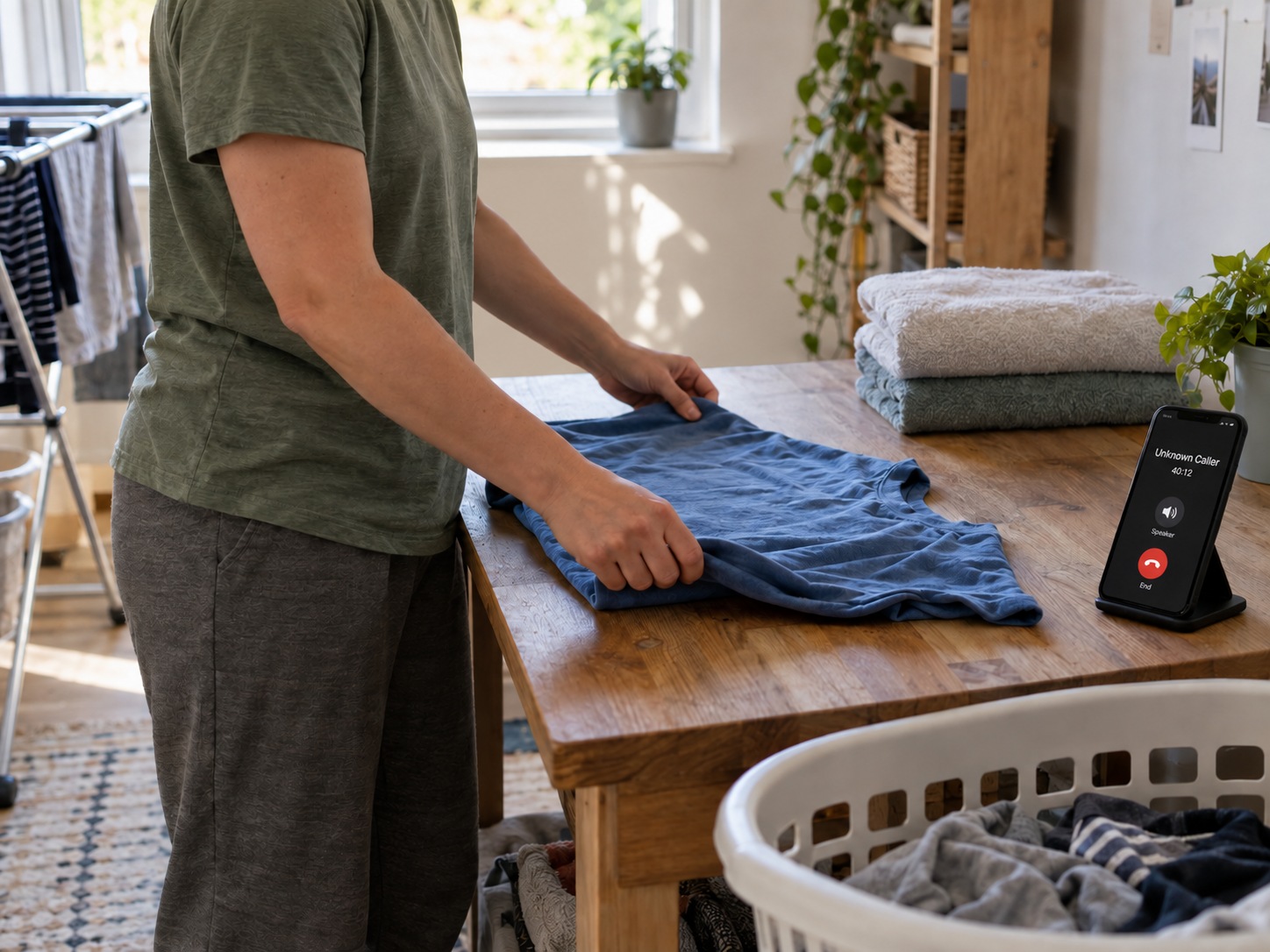
My theory was simple: their time must be worth something. The longer they spent talking to me, the less time they would have to get money out of somebody else. This was my own reasoning, not a tested method.
Unfortunately, the operators I was reaching did not get very far in English. They hesitated, muttered something and disconnected. I had wanted to read out random digits as imaginary SMS codes, then complain that none of them worked. I never got that far.
The number was not much of a clue
A month after my original note, ICA published a warning describing much the same setup: callers claiming problems with identity documents, using spoofed ICA numbers or unknown numbers, sometimes with a “+” prefix and sometimes without one. A local-looking number did not settle who was calling.
That warning supports the pattern I noticed. It does not tell me who was on the other end, or whether chatting would have made any difference.
Three checks worth keeping
- A name on the call is only a claim. End a suspicious call and contact the organisation through a number you find independently on its official website.
- An official-sounding problem does not justify handing over bank access. ICA says government officials will not ask by phone or text for a bank transfer, banking details or one-time passwords.
- If in doubt, check. The current ScamShield service can check suspicious numbers, messages and links; its 1799 helpline runs around the clock.
My imagined performance with the SMS codes remained unperformed. I was available for a very long conversation. Apparently, they were not.
What is your usual response to an unfamiliar caller?
Loading responses…