🚫 Singapore rules: myth versus reality
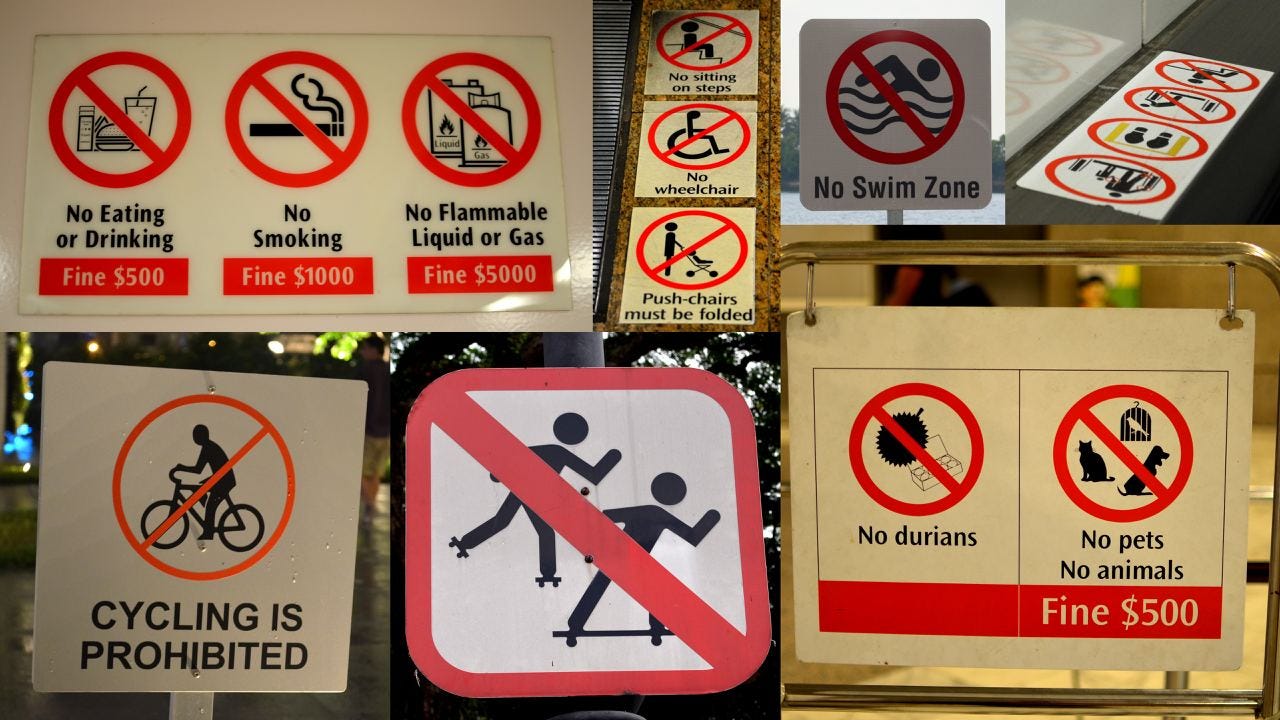
I sometimes suspect Singapore has a special committee for banning everything fun. Chewing gum, cats, a bit of music — the committee seems to have a very broad brief.
Then you look up the rules. Some bans are real. Some have acquired extra powers in the retelling. And some have already disappeared, while their internet reputations carry on.
Here is what holds up when you check.
Rules checked on 8 September 2026.
1. Chewing gum is illegal
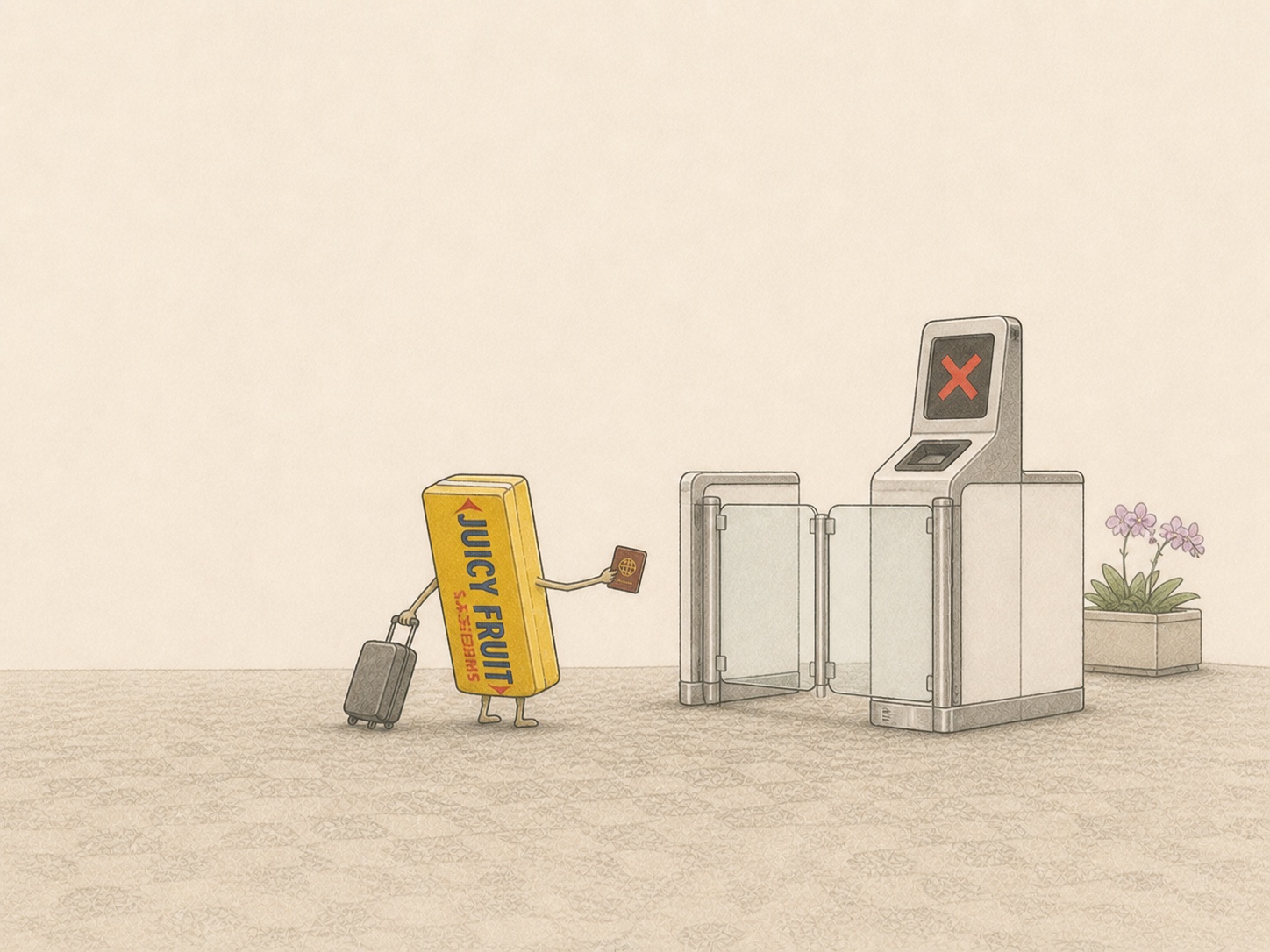
Misleading. The famous ban is about importing ordinary chewing gum and selling it, with exceptions for approved dental and medicinal products. It is not a general ban on the act of chewing.
That does not make “a couple of packets for myself” a reliable border loophole. ICA still puts chewing gum on its prohibited-import list. The safest souvenir is something else.
Singapore Customs: import restrictions · ICA: what you can bring · Sale of gum regulations
2. You cannot keep a cat in an HDB flat
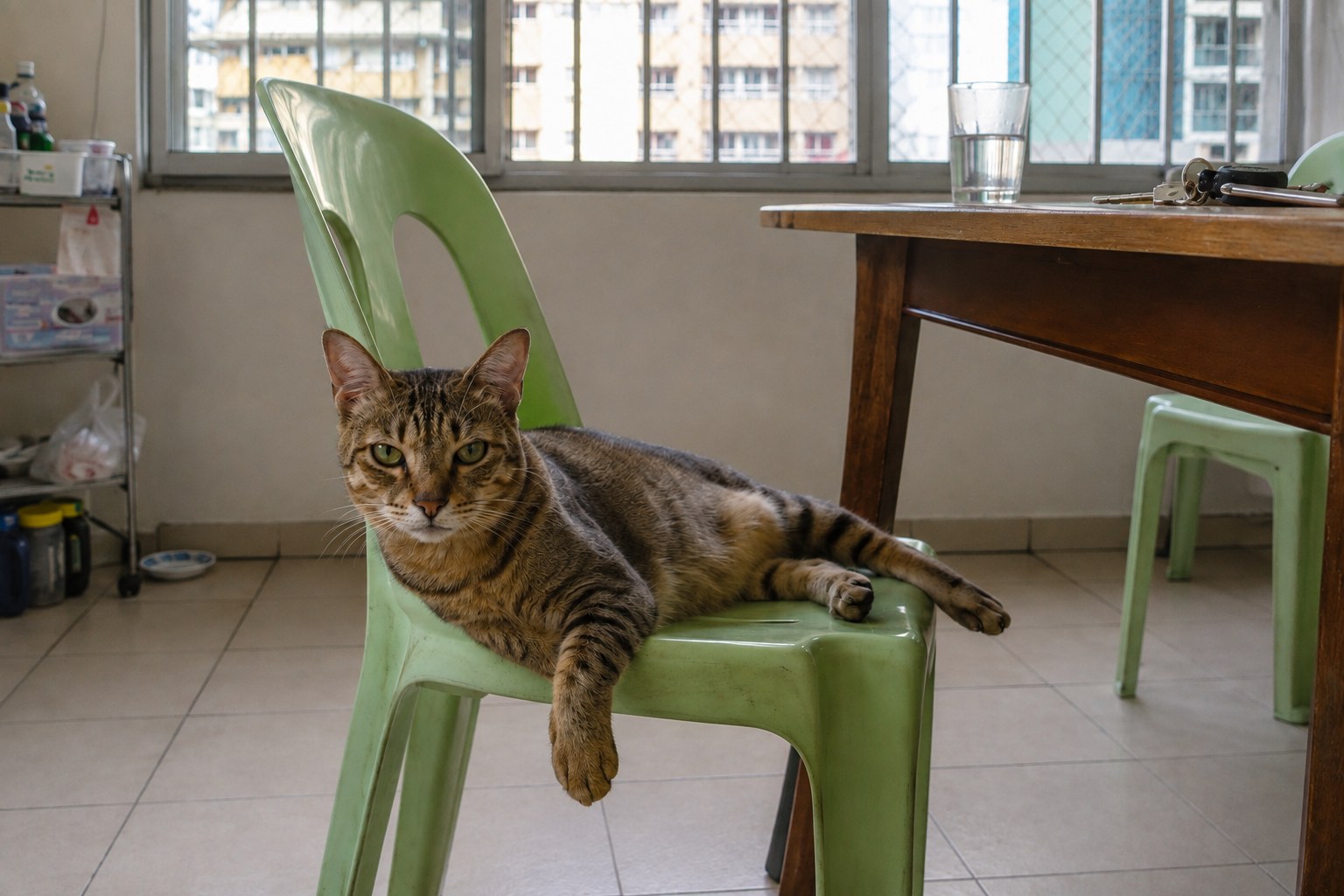
Outdated. This one used to be true. Since September 2024, the normal limit has been two cats in an HDB flat — Singapore’s public housing — with exceptions for some existing households and approved fostering arrangements.
Cats must be microchipped and licensed. The transition period ended on 31 August 2026, so the paperwork is no longer something to put off. Owners also have to keep cats safely contained. The cat has been legalised; the administration has arrived.
AVS: the cat framework · AVS: licensing transition ends
3. You cannot be naked in your own home
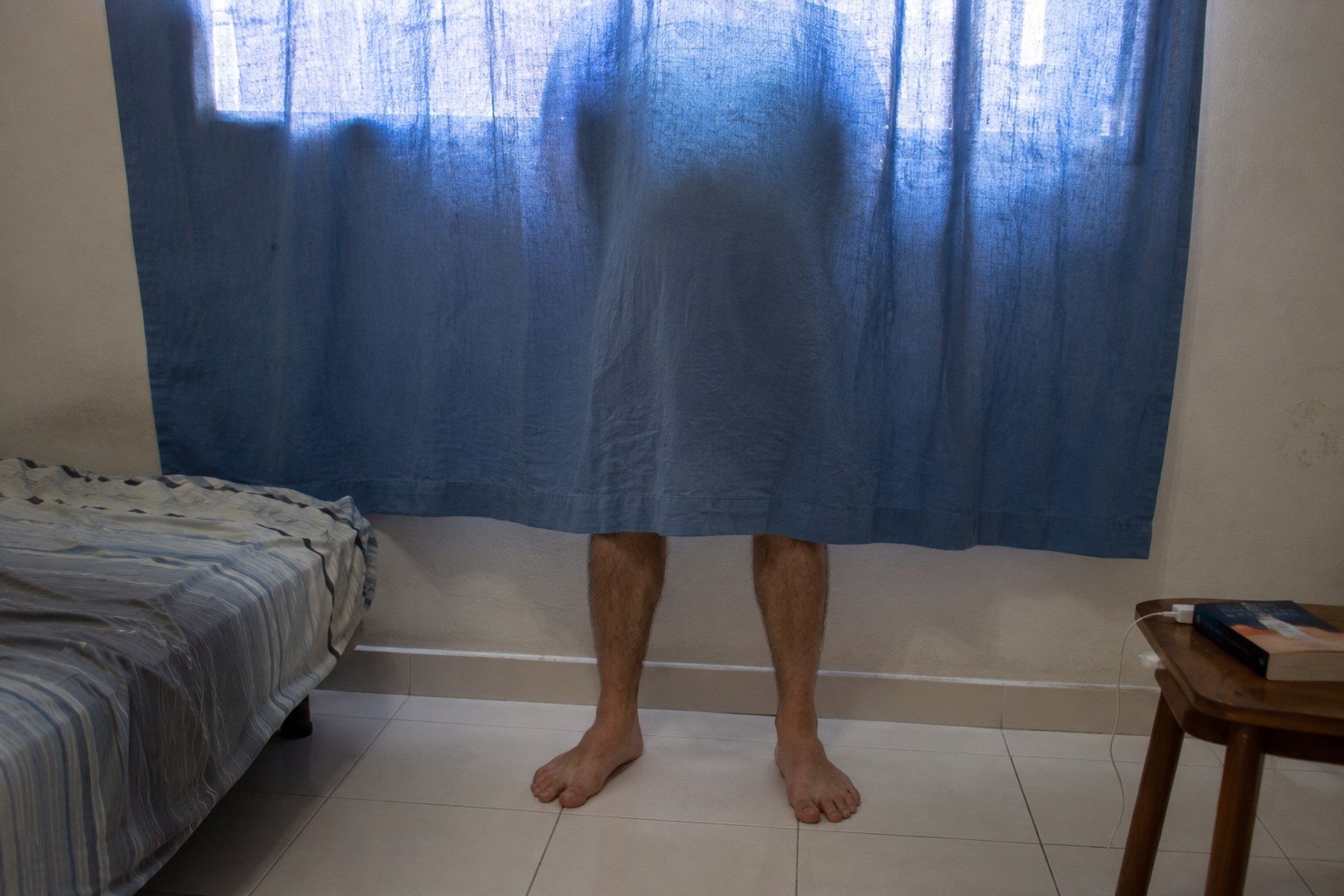
Missing an important detail. The law covers nudity in public, and in a private place exposed to public view. It does not impose a general clothes-on rule inside your flat.
“But I was at home” is therefore not the whole answer. Whether you are exposed to public view matters. Your curtains have a job.
4. You cannot use your neighbour’s Wi-Fi

Without permission, this can be an offence. An open network is not the same thing as an invitation. Singapore’s Cyber Security Agency explicitly warns about using someone else’s Wi-Fi without their consent.
If your neighbour has agreed to share it, that is a different situation. The important distinction is permission, not whether the signal reaches your sofa.
CSA: legislation handbook · Computer Misuse Act
5. Playing music is banned
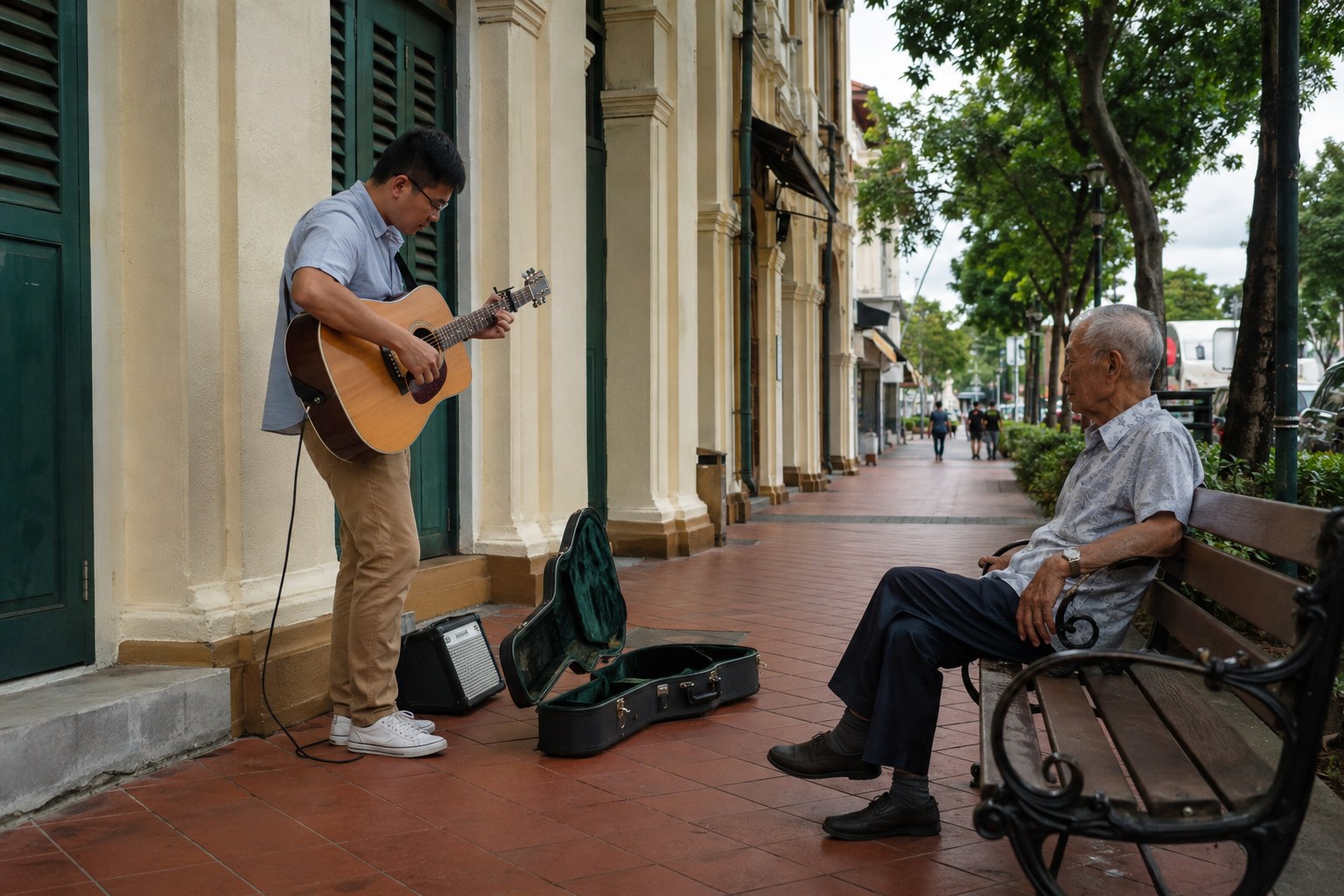
No blanket ban. There is a rule against noise that causes, or is likely to cause, annoyance or inconvenience to people nearby. That is not a ban on guitars.
Singapore even has an official busking scheme, with auditions and designated places and times. So music is allowed. Sometimes it comes with a booking system.
Excessive-noise provision · NAC: busking scheme
6. Vapes and shisha are banned
True. Buying, possessing and using vaporisers are prohibited, as are importing and supplying them. A vape in your luggage is not made acceptable by being for personal use.
Shisha tobacco is also on the prohibited-products list. This is not a case of finding the right smoking area. The vaping rules and penalties changed again in May 2026, so old lists of fines are particularly unhelpful here.
HSA: current vaping rules · HSA: prohibited products
7. You cannot drink alcohol after 10.30pm
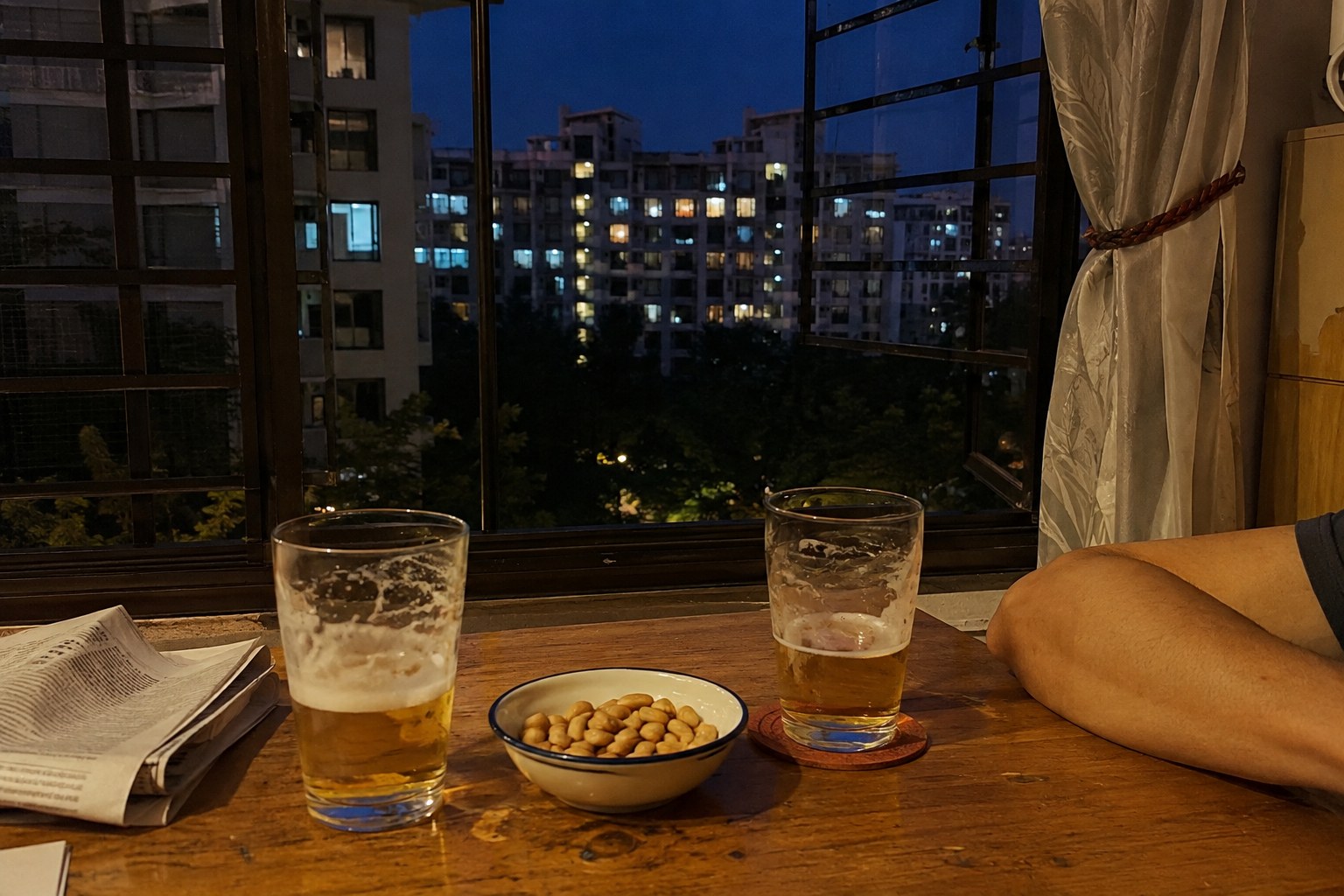
It depends where. The general restriction is on drinking in public places between 10.30pm and 7am. It does not mean that every bar must stop serving at 10.30, or that you must abandon a glass of wine at home.
Licensed venues operate under their licensed hours. Designated liquor-control zones in Geylang and Little India have stricter weekend and holiday rules. A late drink at a bar and a late drink on the pavement are different propositions.
MHA: how the rule works · Current consumption restrictions
8. E-scooters are banned
The route matters. A compliant, registered e-scooter can be used on cycling paths. It cannot be ridden on footpaths or roads.
So “Singapore banned scooters” leaves out the useful part: where you can ride one. A stretch of pavement that looks pleasantly empty is still not a cycling path.
9. Durian is illegal
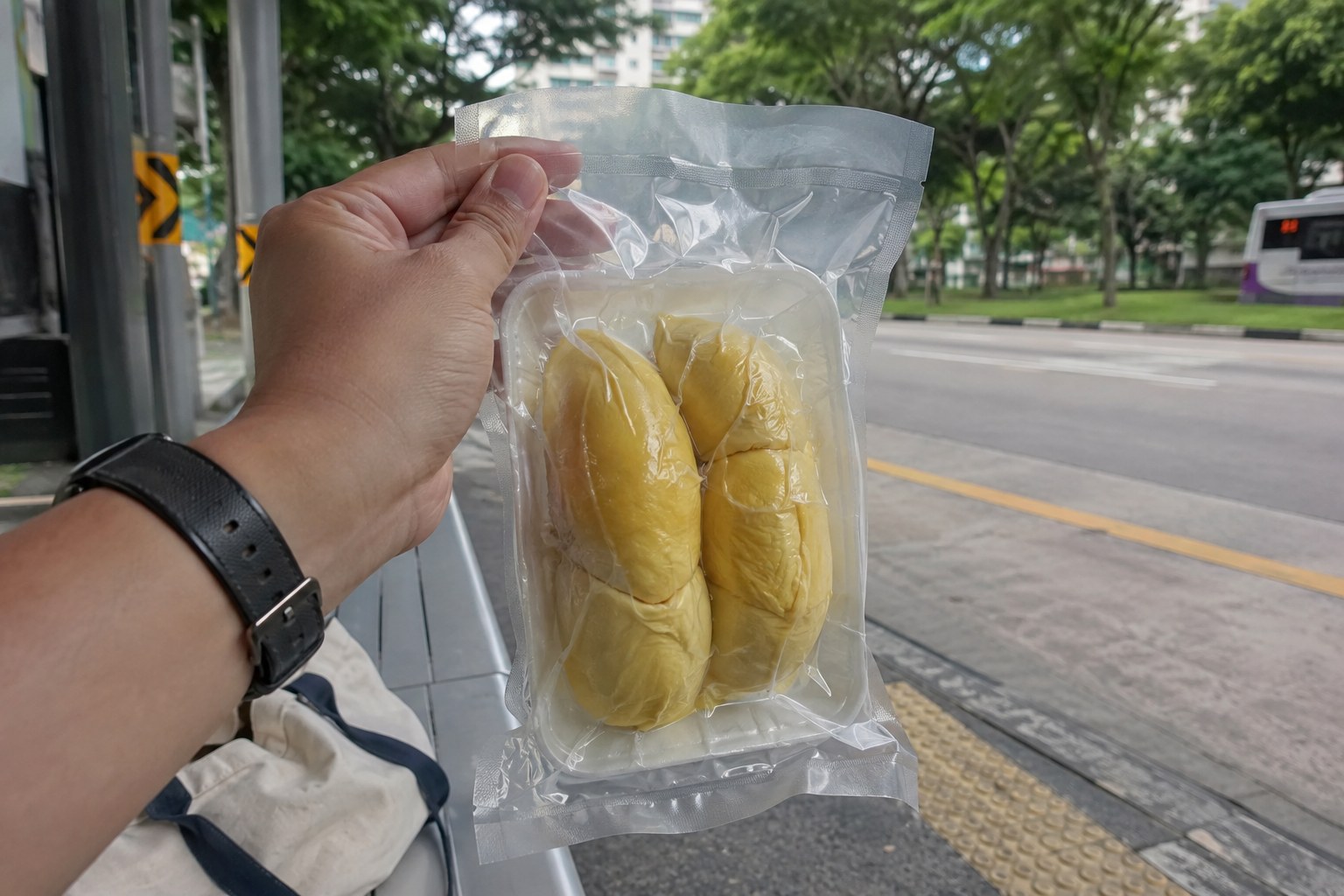
The fruit is innocent. The journey needs planning. There is no general ban on durian. Even the public-bus rule is more specific than the familiar crossed-out fruit suggests: the current conditions prohibit durians that are not vacuum-sealed, or that could cause discomfort, harm or soiling.
That exception is not permission to eat it on board: eating and drinking are prohibited on buses. Nor should you assume the same packaging rule applies to trains or hotels. Check the rules of the place you are entering.
Public buses: conditions of carriage, C(iii) and D(v)
10. Feeding pigeons can get you into trouble
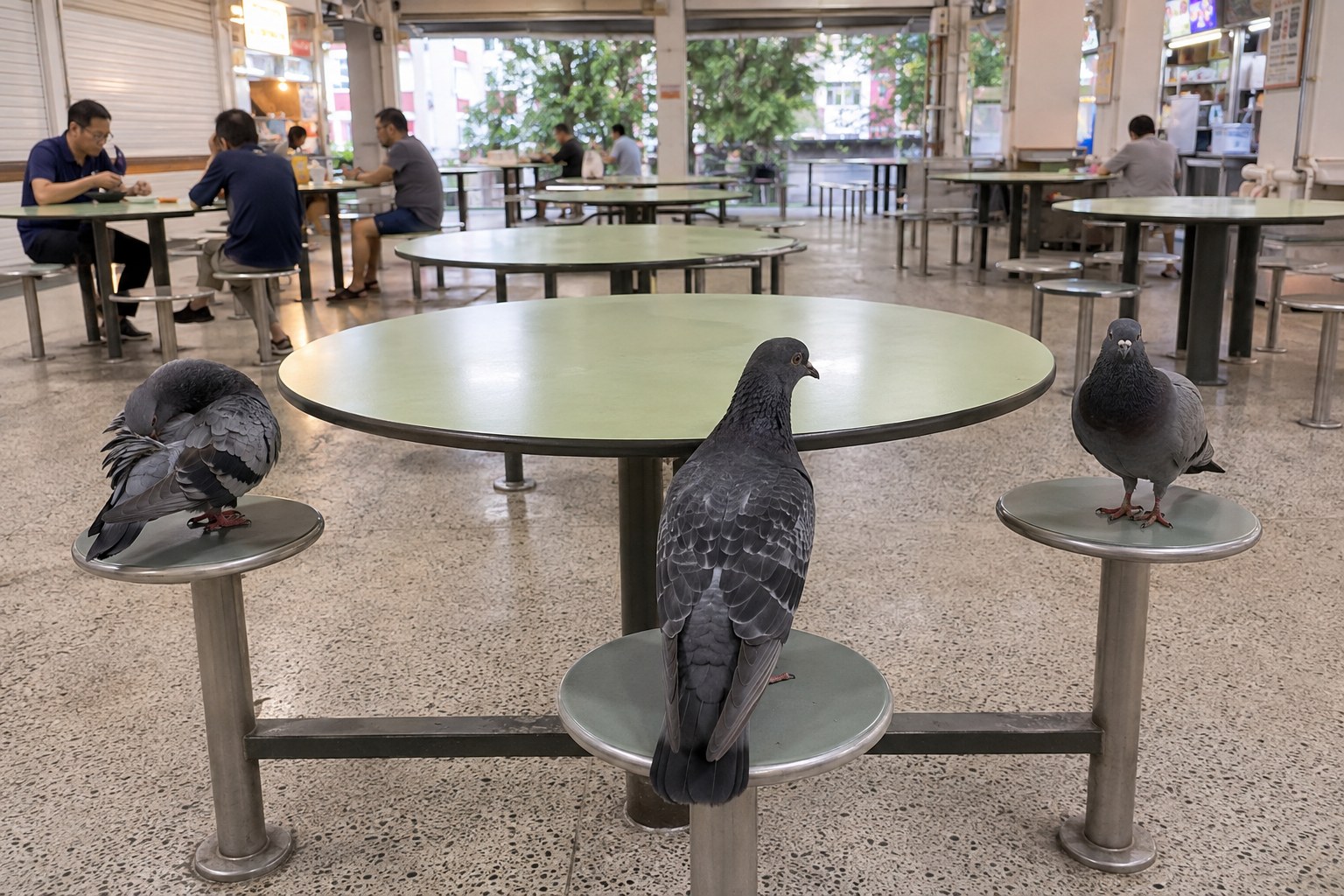
True — and not just pigeons. Intentionally feeding wildlife without approval is prohibited. NParks includes pigeons, macaques and wild boars in its advice to visitors.
The point is to avoid making wild animals dependent on people and encouraging encounters that end badly. Your leftover lunch is not a wildlife-care programme.
NParks: encountering animals · Wildlife Act: feeding
11. You have to return your tray
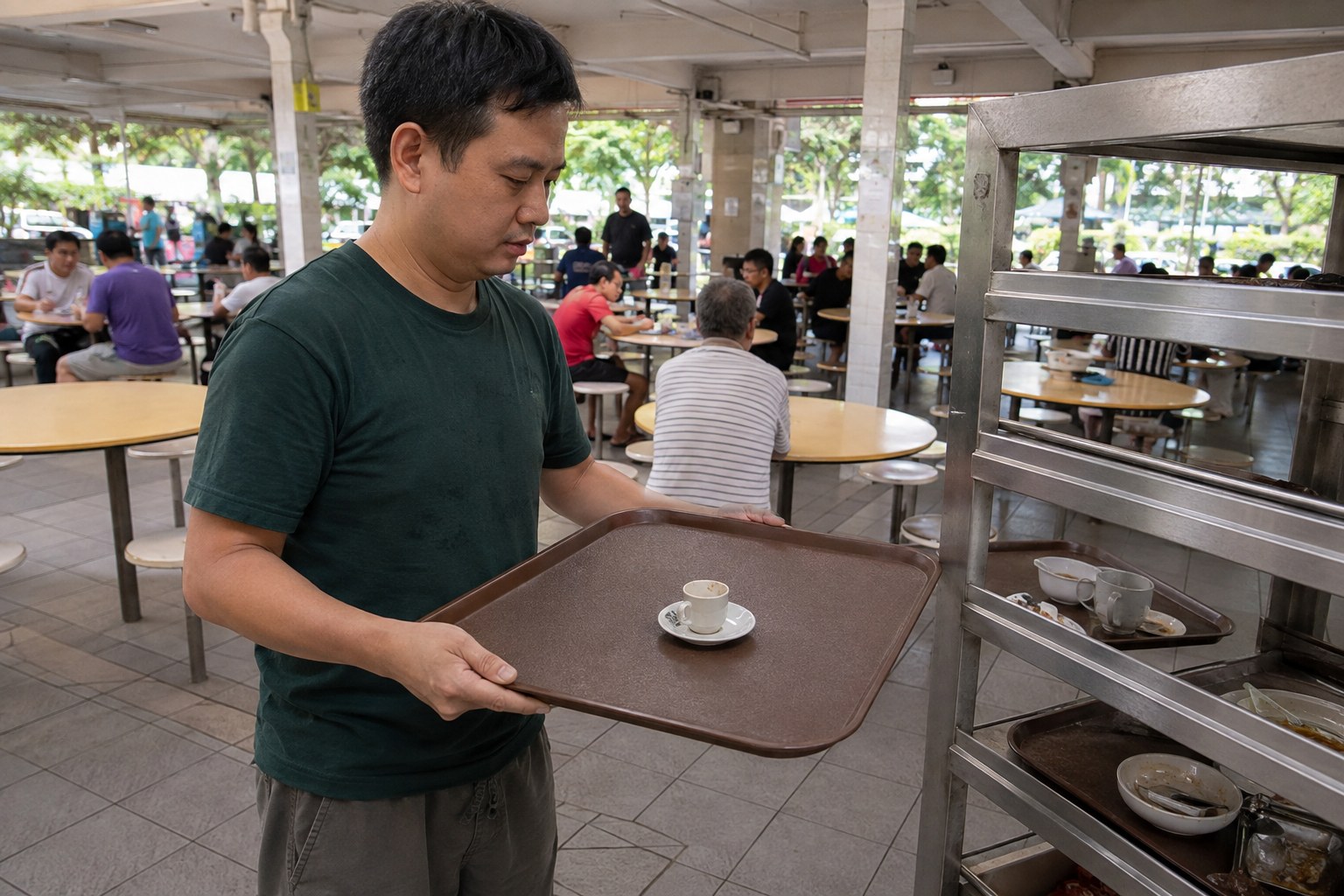
True at hawker centres, food courts and coffeeshops. Clearing your tray, crockery and table litter is an enforced rule, not just a polite suggestion. There are exceptions for people unable to do it themselves, including some elderly diners, people with disabilities and young children.
For the rest of us, lunch ends at the tray-return station.
12. You are legally required to flush the toilet
Yes, this one survived the fact-check. The regulation requires you to flush after using a toilet with a flushing system that is accessible to the public.
This is not a rule about police checking your bathroom at home. It is a very ordinary courtesy that Singapore has put in writing.
Public Cleansing Regulations, regulation 16
13. You cannot set off your own fireworks
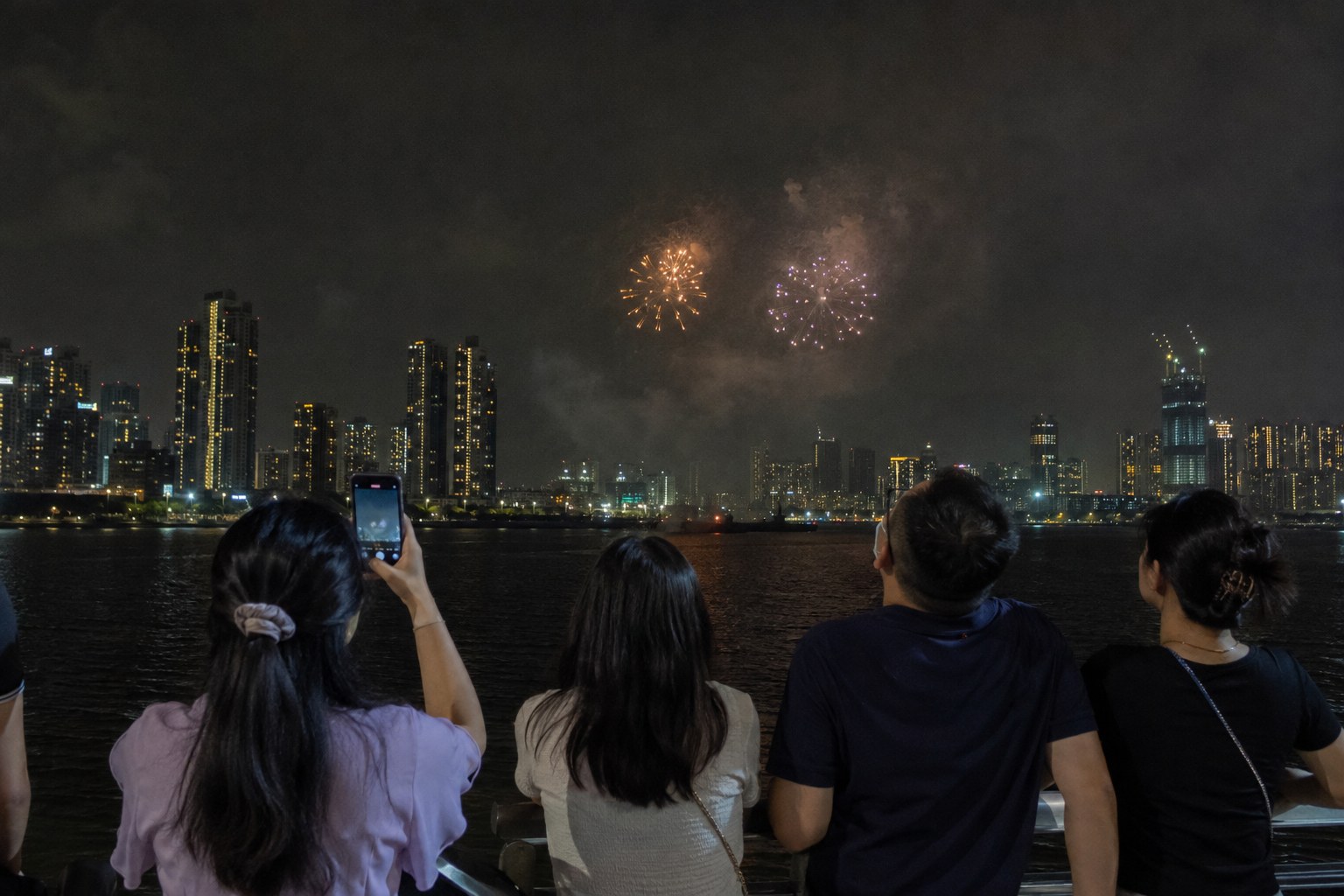
True. Private individuals cannot simply buy and launch fireworks for a celebration. Professional displays use licensed, approved companies.
That is why a spectacular official display and a ban on your own garden fireworks can coexist. Watching the sky is considerably easier than arranging it.
Singapore Police: fireworks FAQ
14. Any drug offence means the death penalty
False — but the laws are extremely strict. The offence, substance and quantity matter. Possession, consumption, trafficking and importation are not interchangeable categories.
Serious drug offences, including trafficking or importing certain drugs above specified thresholds, can carry the death penalty. That is very different from saying every case of possession or consumption does. This subject deserves more accuracy than a dramatic line on a souvenir T-shirt.
CNB: Misuse of Drugs Act · CNB: cannabis laws and thresholds
The committee, if it exists, clearly revises its agenda. The cat can stay. The chewing gum still has a border problem.
Did Singapore’s rules turn out as you expected?
Loading responses…