Singapore’s Chewing Gum Ban: What the Rule Actually Covers
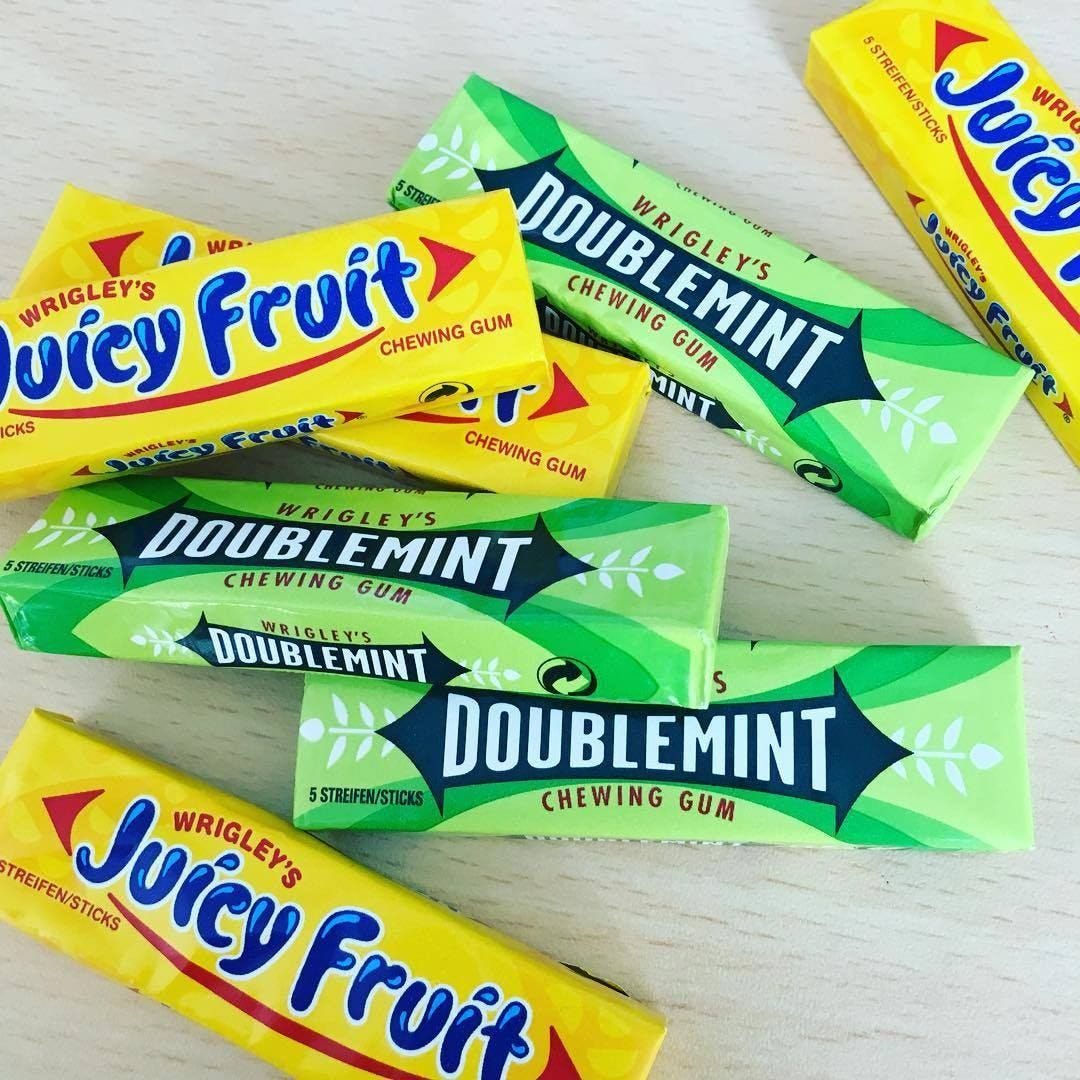
Singapore’s chewing gum ban is often retold as a ban on chewing. It isn’t: chewing gum itself is allowed. But ordinary gum cannot be sold or imported, and the reason goes back to a very practical problem: getting it off things.
Before the ban: gum in lifts and MRT doors
By the early 1980s, discarded gum was causing trouble in Singapore’s public housing estates. It stuck to floors and walls and jammed lift doors. A history published by the Centre for Liveable Cities puts the annual cost of removing it from estate floors and walls at about S$150,000.
A ban was being discussed as early as 1983, but it took several more years to happen.

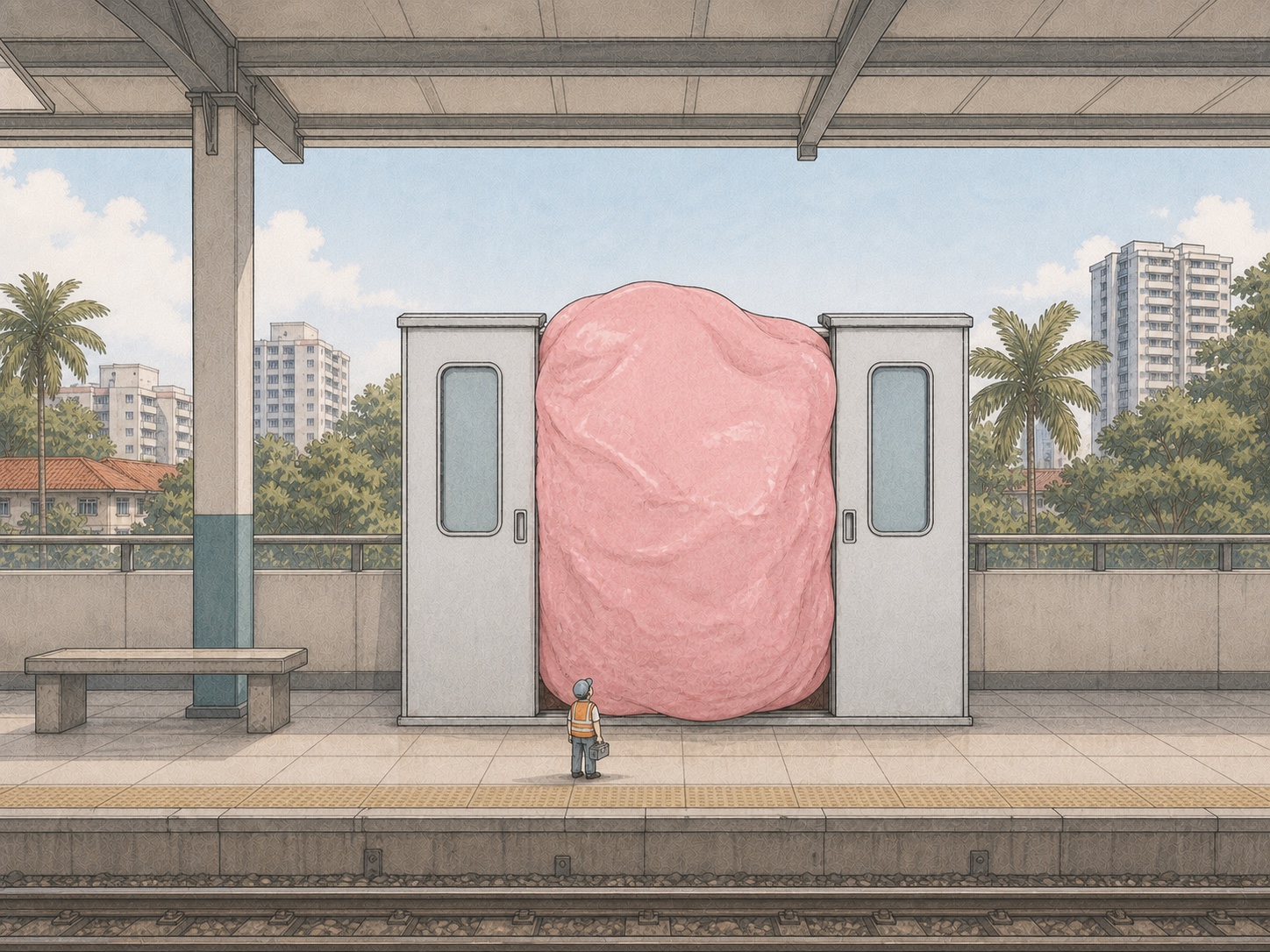
Then gum began interfering with MRT trains. In July and August 1991, gum stuck over train-door sensors disrupted services. So the familiar story about gum and the MRT is true, although the problem had started well before those incidents.

On 3 January 1992, the sale ban took effect. The government’s approach was to cut off the supply of ordinary gum, reducing the amount that could end up stuck around the city.
The exception that came through a trade agreement
The rules changed in January 2004, when Singapore allowed certain medicinal and oral dental gums. This was part of its commitments under the US–Singapore Free Trade Agreement, as the Ministry of Health explained in Parliament.
The exception covered approved therapeutic products. It did not bring ordinary bubble gum back to shop shelves.
Can you chew gum in Singapore today?
Yes. The distinction is between chewing it, selling it and bringing it into the country. These are easy to blur together under the name “chewing gum ban” — much like some of the other Singapore rules that acquire a life of their own.
For travellers, the import restriction still matters. As checked on 8 September 2026, Singapore Customs lists ordinary chewing gum as a prohibited import, with exceptions for approved oral dental and medicinal gum. Someone getting through customs with a packet does not establish a personal-use exemption.
You can chew gum. That doesn’t mean you can bring ordinary gum across the border.
Would you miss chewing gum?
Loading responses…